October 29, 2025
Data Shows Endangered Palau Ground Doves Swiftly Recovering After Successful Palauan Island Conservation Effort
Astounding evidence of recovery on Ulong Island in Palau after just one year!
 Island Conservation

Removal of invasive rodents from Lord Howe Island, Australia would yield high return on investment.
How would you like a 15-to-1 return on your investment?
The recently released Public Environment Report (PER) for the Lord Howe Island rodent eradication calculates that the net social benefit from implementing the plan is $141M over 30 years. That is 15 times the cost. This is an extraordinary return on a $9M project–so what is behind these numbers?
First off, the environmental returns on the removal of invasive rodents from the World Heritage-listed island are well documented in the PER. Among other benefits, the restoration project is is expected to prevent seven additional extinctions over the next 20 years and to permit four species to be returned to the island after having previously been lost due to predation by invasive rats and mice. A unique and endangered palm-forest ecosystem would be restored to health and other World Heritage values maintained.
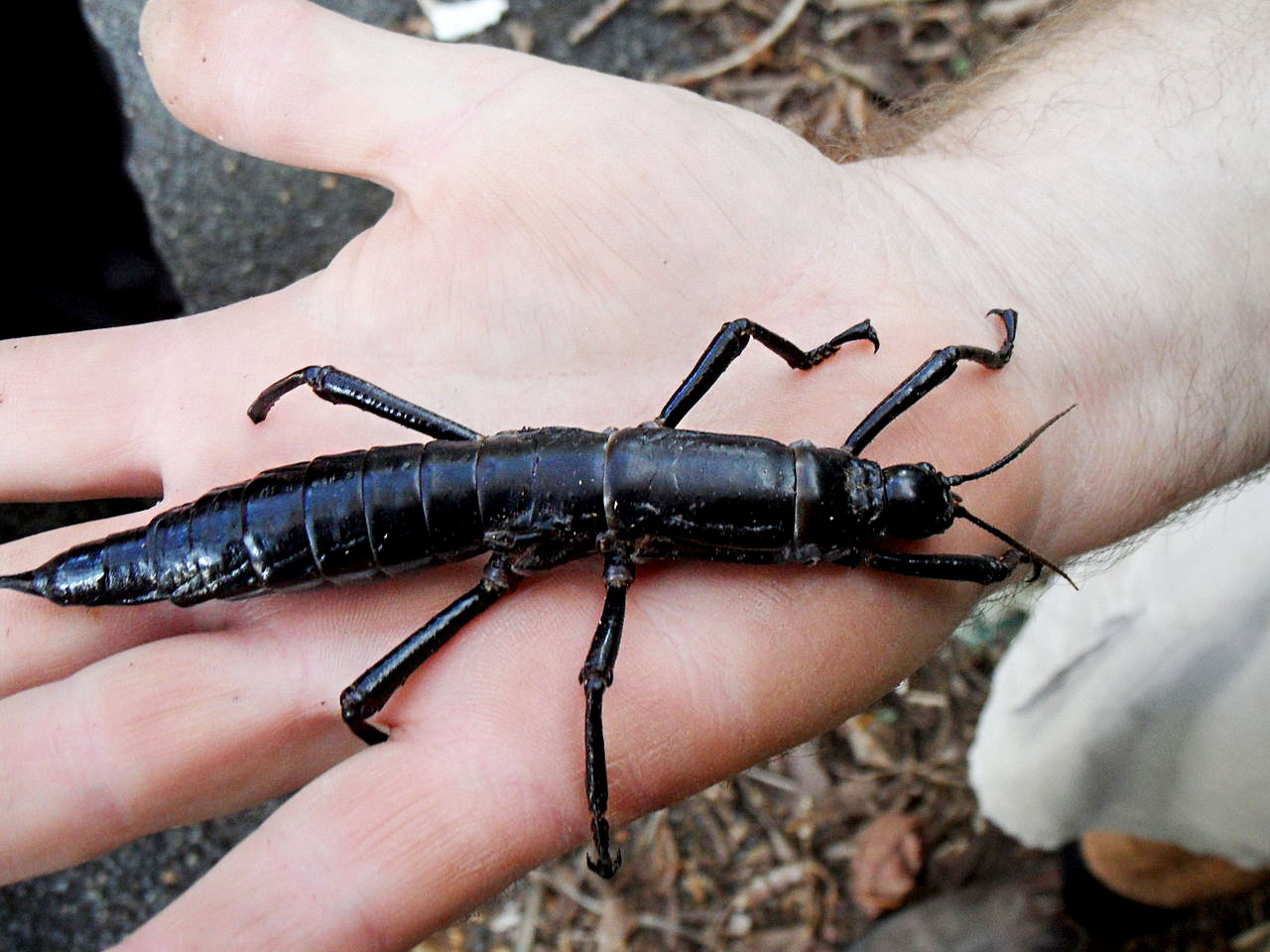
However, in what appears to be a world’s first, the Lord Howe Island Board has also calculated the socio-economic impacts expected from the removal of all invasive rodents on the island. To achieve this, the consultants commissioned by the Board compared the likely economics outcomes from two scenarios—the island ecosystem with and without invasive rodents—over a 30-year period. The major costs of the “without rodents” scenario are simply the capital cost of the operation itself—which involves a helicopter and ground-based operations and a staff of around 30-40 people over several months. Another cost is the ongoing need to maintain and improve biosecurity so that rodents do not re-invade. An additional short-term cost to the tourism industry is also expected, although this is quite small as the operation will take place in the off-season (winter) when there are fewest visitors. This loss will be more than compensated for by the temporary workforce in any case.

The tourism industry ultimately wins out. The report estimates that without rodents, and with more abundant wildlife, the prestige of Lord Howe Island as a nature-tourism destination will increase (and so too the price they can charge).
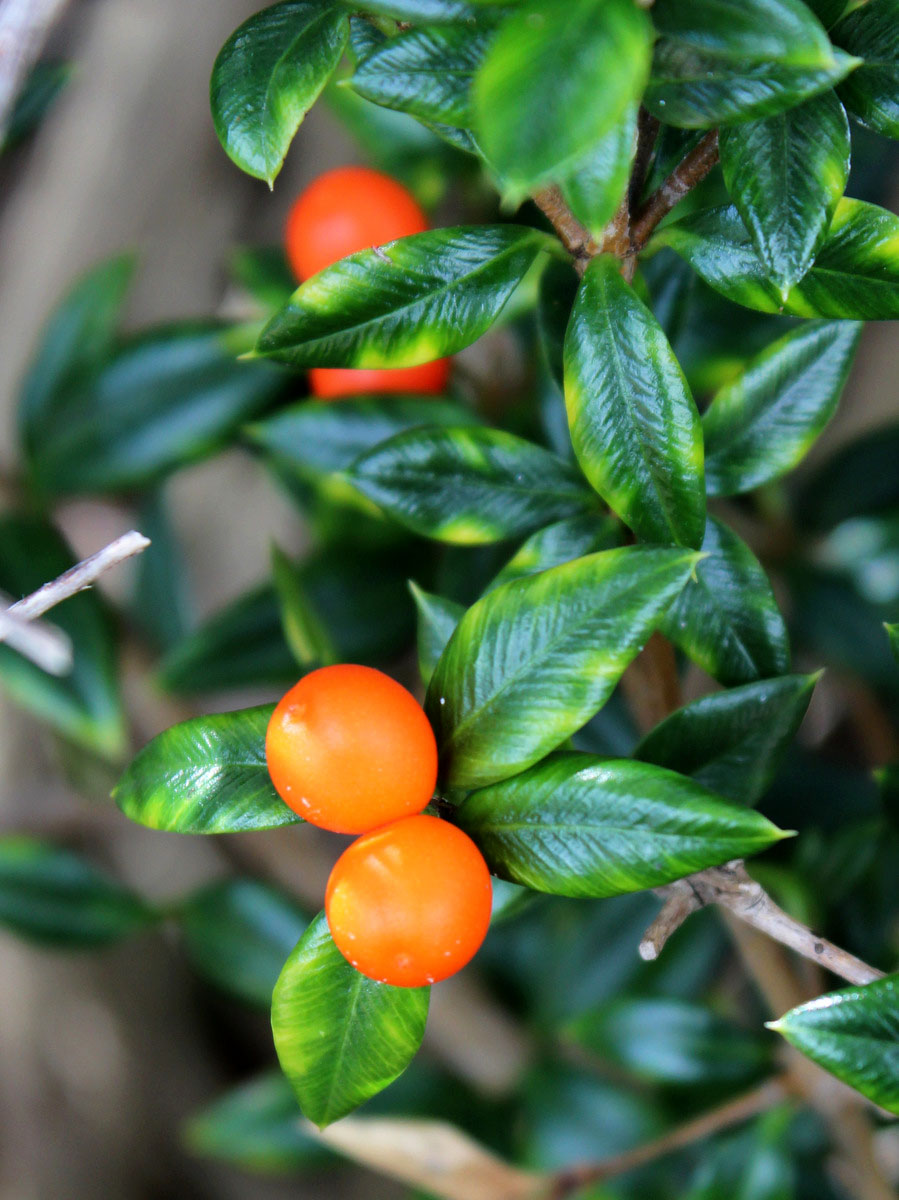
The other major economic benefit comes from the prevention of extinctions and the return of species lost from the island. Studies have found that the community has indicated willingness to pay up to $8M to avoid the extinction of species. The additional economic benefits of an increase in abundance of non-threatened species were not costed, but would also add to the overall socio-economic tally. For many people on the island, the economic benefits from improved production of Kentia Palm seeds (a popular ornamental palm sold around the world) and local fruit and vegetables, largely completes the picture.
I fell in love with Australia’s Lord Howe Island when I was a graduate student and helped to survey the island’s endangered woodhens. I have been following the proposed removal of invasive rodents from Australia’s Lord Howe Island now for over 16 years. I have never had any doubt about the ecological benefits of restoring the rodent-free status of Lord Howe Island. It is great to see that the economic analysis agrees with me.
You too can have your say on the importance of a rodent-free Lord Howe: Lord Howe Island Board
Featured image: Beach on Lord Howe Island. Credit: Patchtok
Check out other journal entries we think you might be interested in.

October 29, 2025
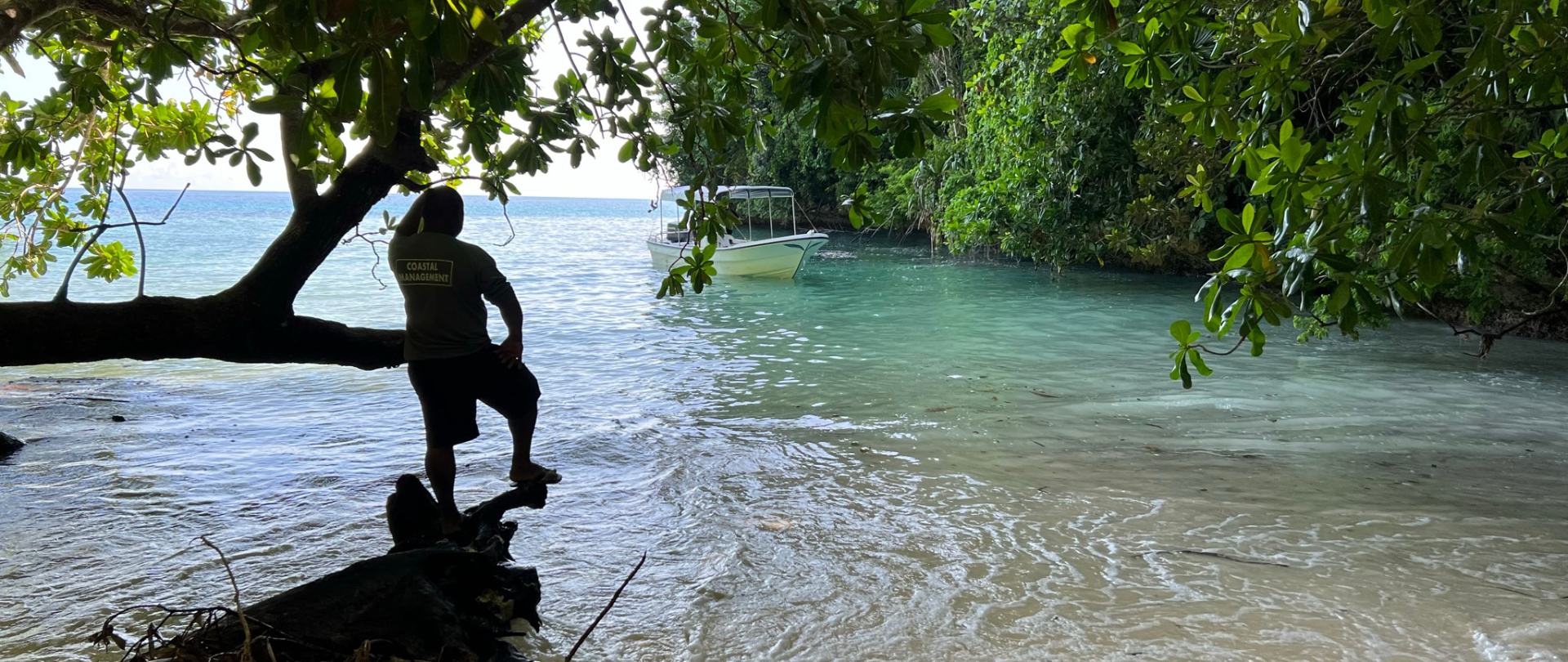
Astounding evidence of recovery on Ulong Island in Palau after just one year!
May 19, 2025
Read our position paper on The 3rd United Nations Ocean Conference (UNOC 3) to see why we're attending and what we aim to accomplish!
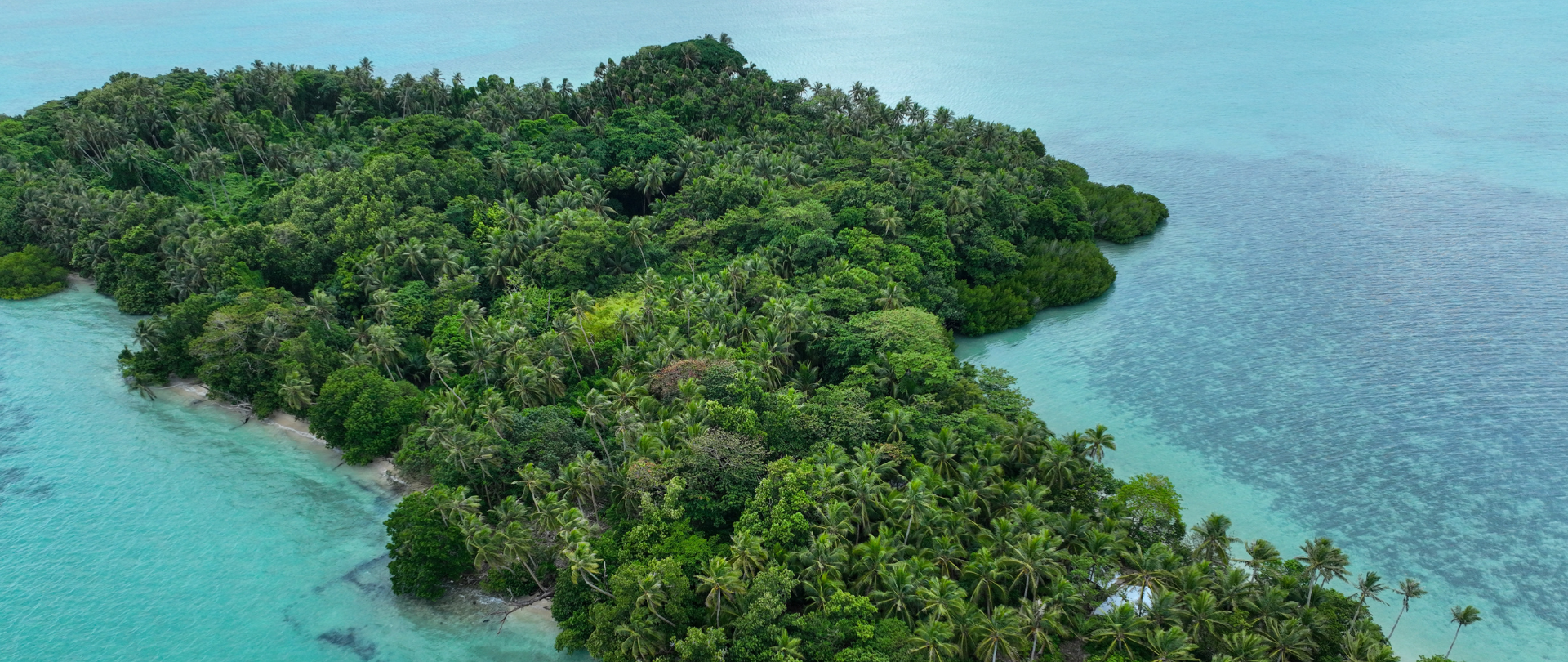
December 4, 2024
Ann Singeo, founder of our partner organization the Ebiil Society, shares her vision for a thriving Palau and a flourishing world of indigenous science!
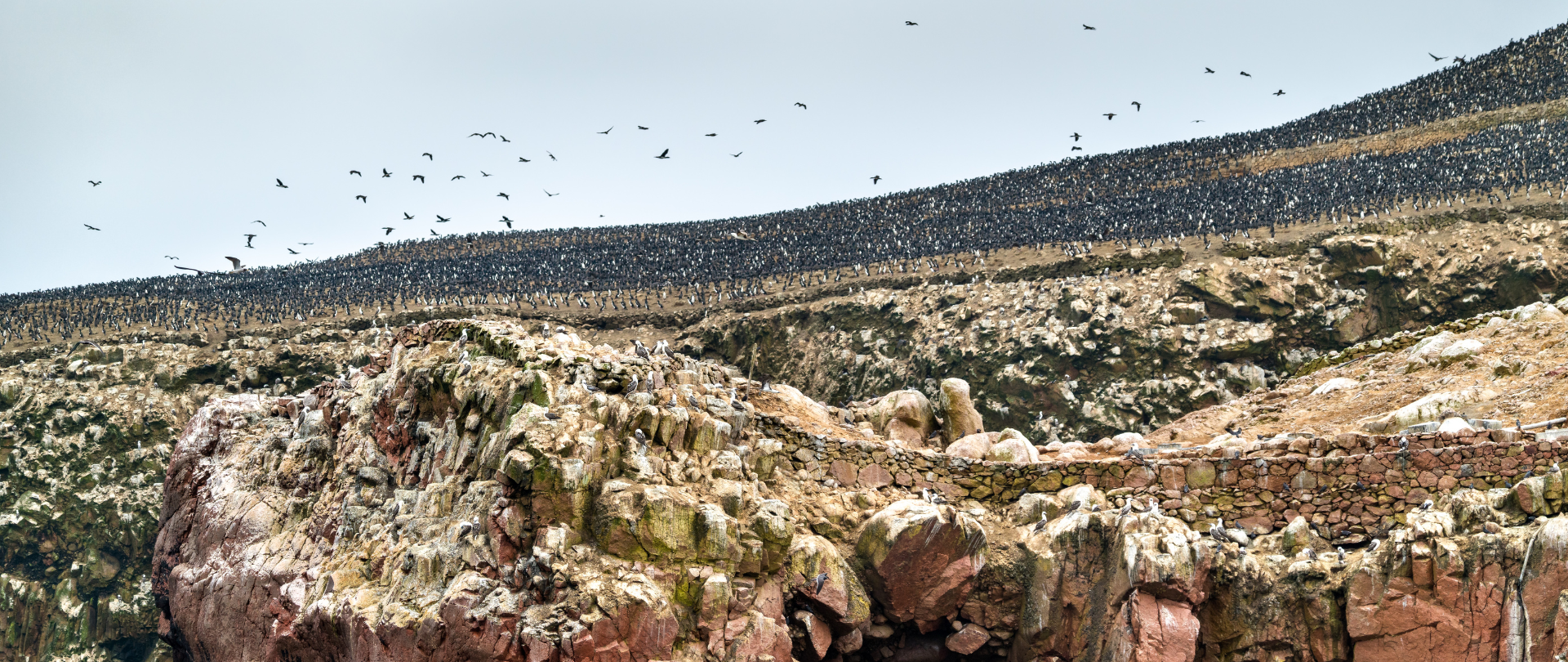
November 22, 2024
This historic agreement aims to protect the marine and coastal areas of the Southeast Pacific.
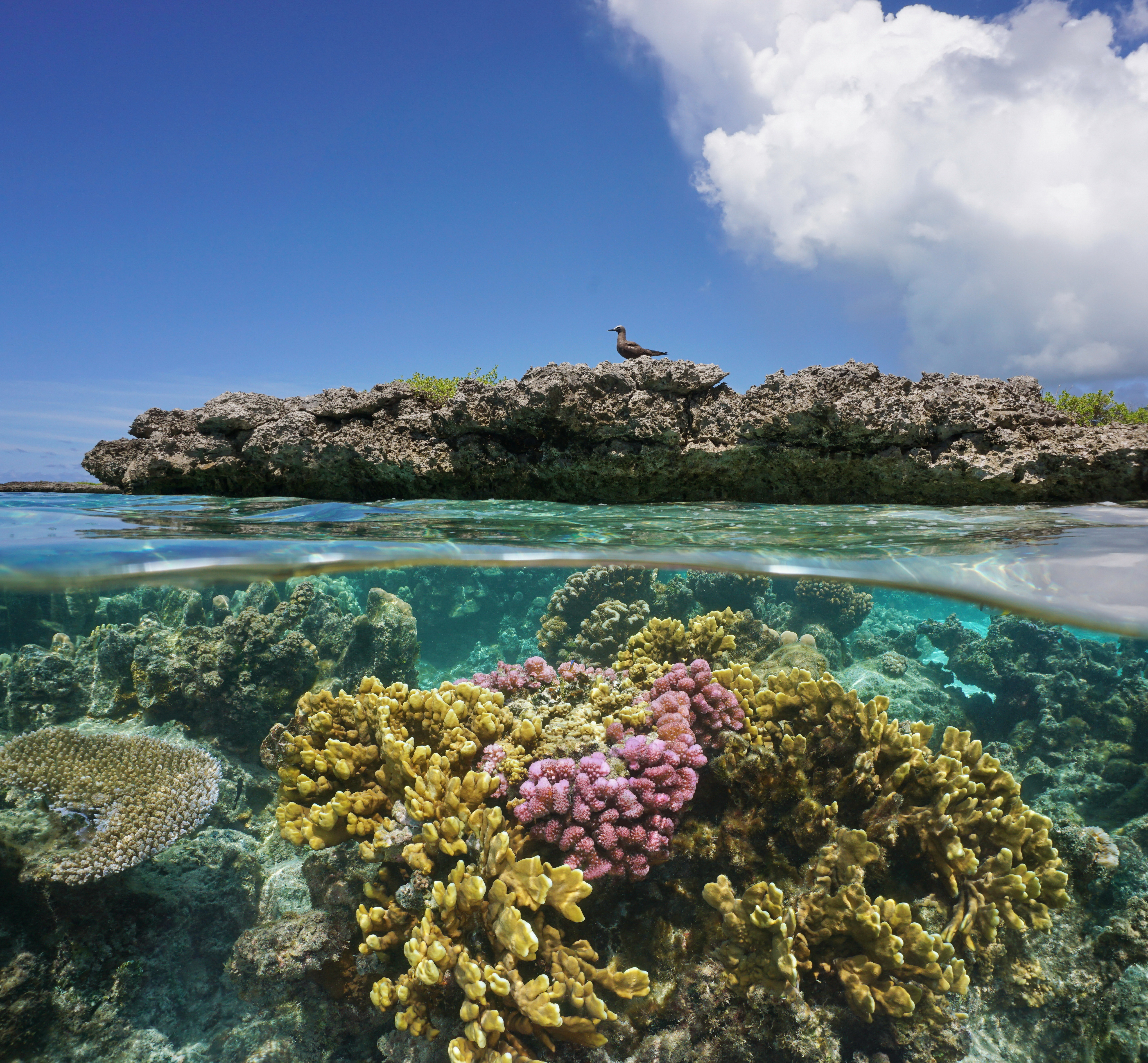
November 18, 2024
Our projects to restore key islets in Nukufetau Atoll forecast climate resilience and community benefits in Tuvalu!
October 3, 2024
Island Conservation and partners have published a new paper quantifying ecosystem resilience on restored islands!
September 10, 2024
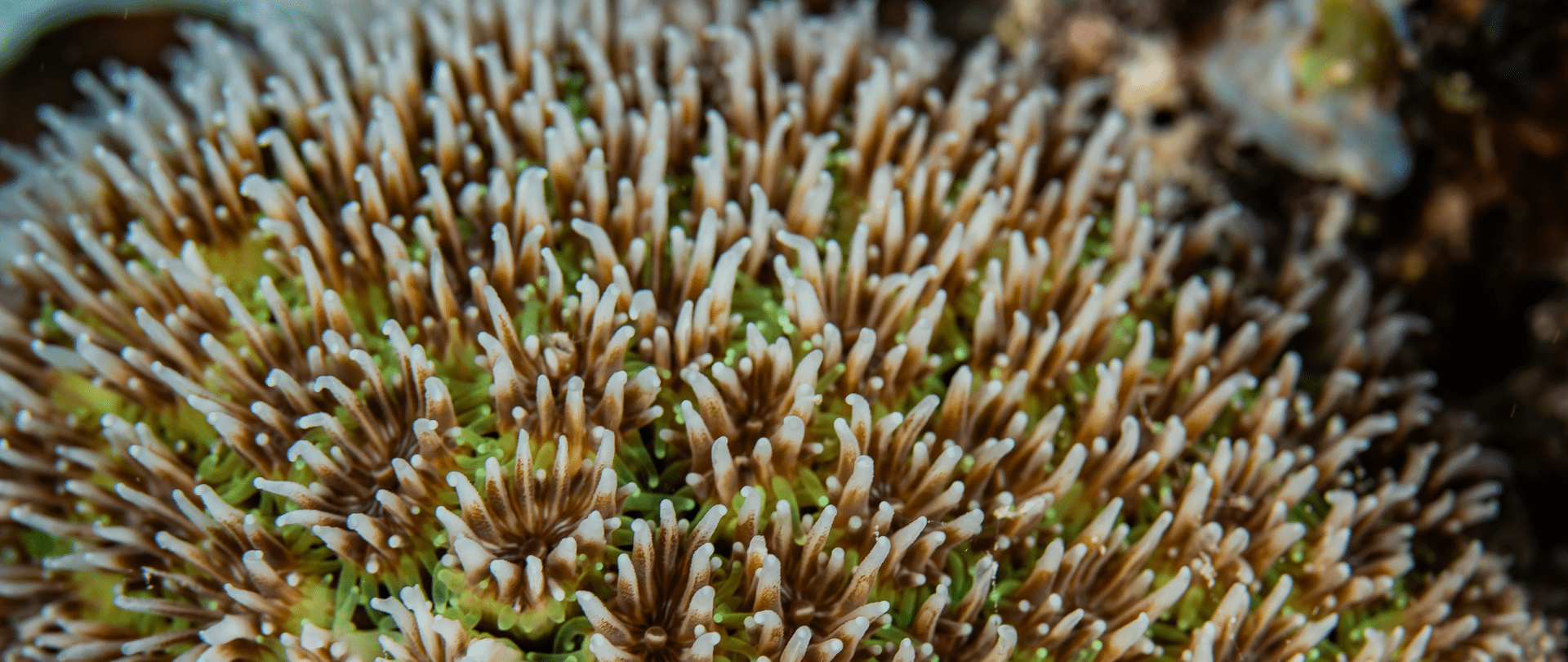
Climate Week NYC: what is it and why is it important? Read on to find out why Island Conservation is attending this amazing event!
September 5, 2024
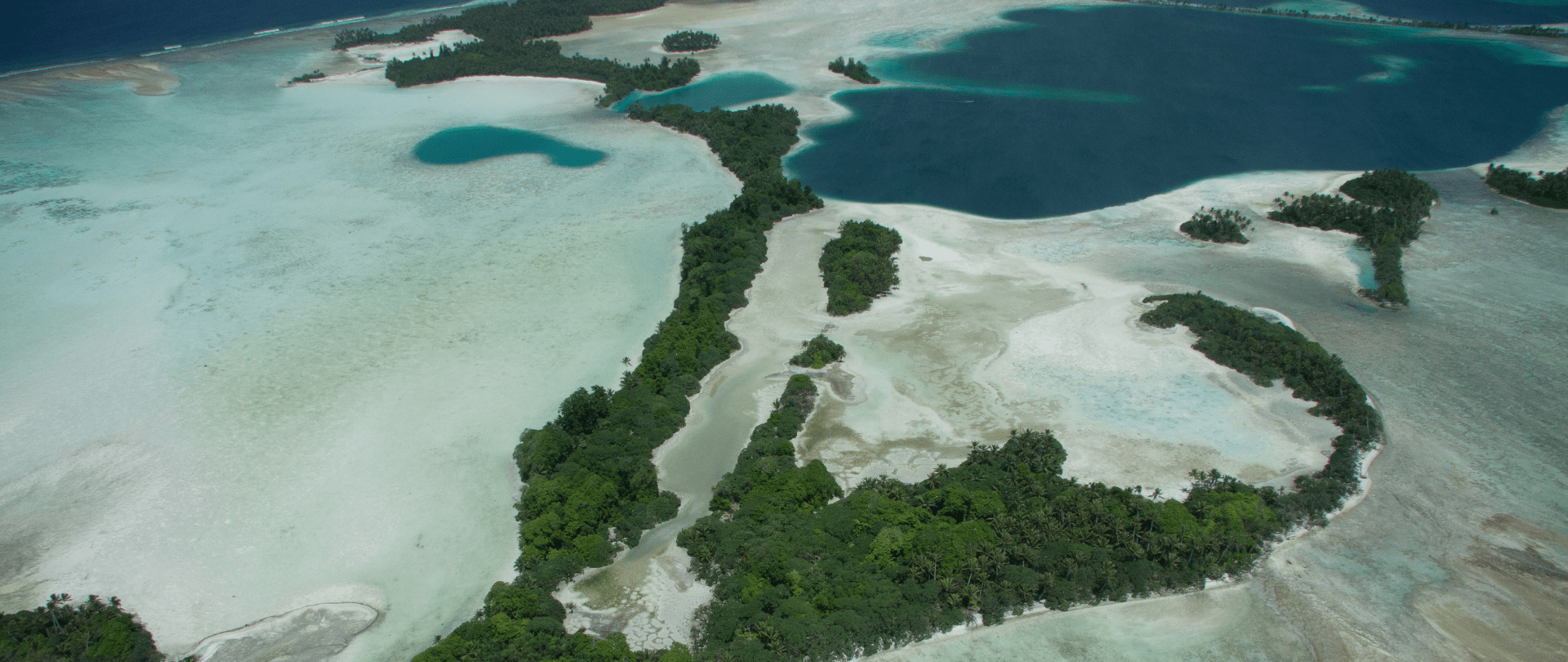
With sea levels on the rise, how are the coastlines of islands transforming? Read on to find out how dynamic islands really are!

December 14, 2023
Join us in celebrating the most amazing sights from around the world by checking out these fantastic conservation photos!
November 28, 2023
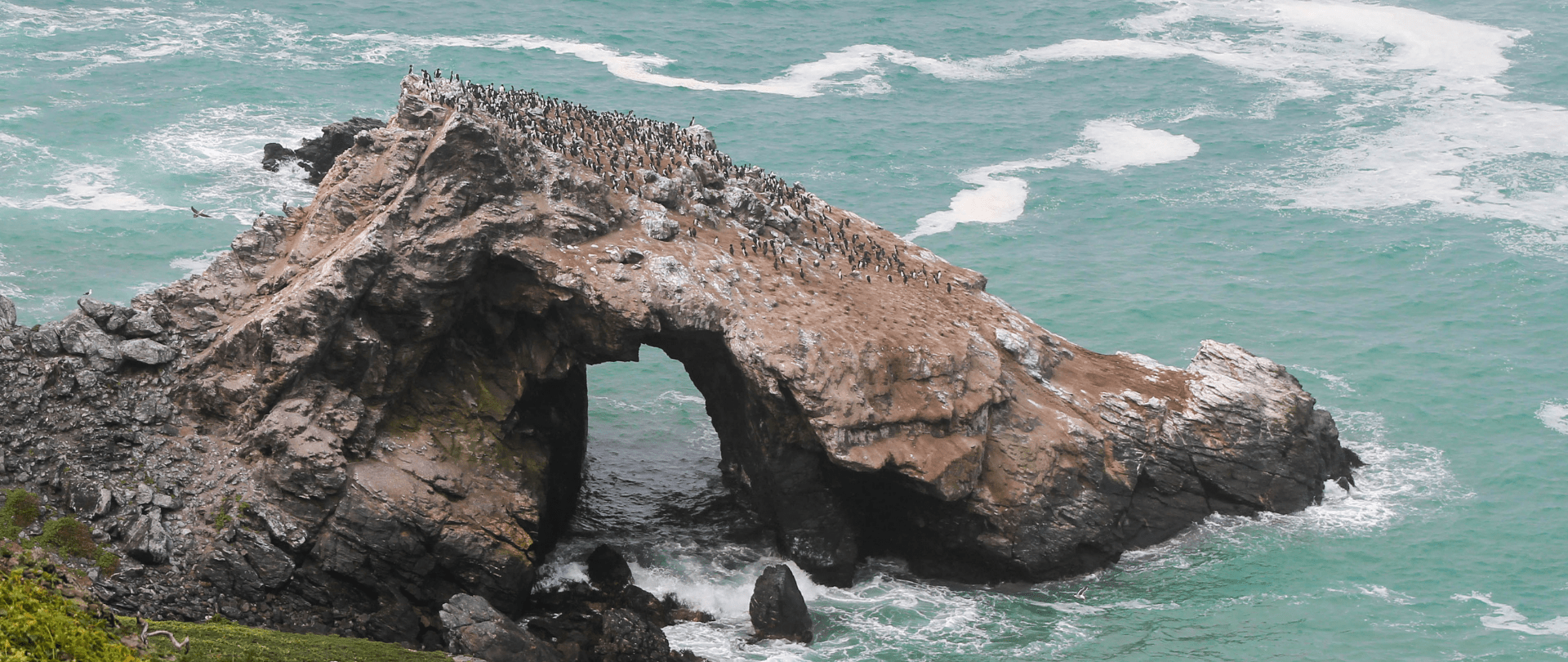
Rare will support the effort to restore island-ocean ecosystems by engaging the Coastal 500 network of local leaders in safeguarding biodiversity (Arlington, VA, USA) Today, international conservation organization Rare announced it has joined the Island-Ocean Connection Challenge (IOCC), a global effort to…