December 16, 2025
Eden vs. Reality: The True Story of Floreana’s Ecological Drama
Read the full ecological story of Floreana Island in the Galápagos from the early settlements to today.
 Island Conservation

This article is a reprint from a piece published on the blog of one of our partners, Outreach Network for Gene Drive Research, published on September 13, 2023. It was written by Carolina Torres Trueba, International Legal and Administrative Manager at Island Conservation.
Invasive alien species (IAS) pose a major global threat to nature, economies, food security and human health. According to findings published by IPBES (Intergovernmental Science-Policy Platform on Biodiversity and Ecosystem Services) in the first global assessment report on IAS and their control, these species have played a major role in 60% of recorded extinctions worldwide and are causing more than US$423 billion annually in estimated losses to the global economy. These costs have at least quadrupled every decade since 1970.
Compiled by 86 experts from 49 countries over the course of four and a half years, the report sheds light on the catastrophic and growing harm caused by IAS to biodiversity and human wellbeing. Island ecosystems are confirmed to be particularly vulnerable, with 90% of global extinctions on islands mainly attributed to IAS.
The report also points to the generally insufficient measures in place to tackle these challenges. While most countries have targets for the management of biological invasions, 83% do not have national legislation or regulations directed specifically towards the prevention and control of IAS. Under a “business as usual” scenario, by 2050, the total number of alien species globally is expected to be one-third higher than it was in 2005. With other drivers of change, such as climate change, predicted to worsen, it is likely that the increase in IAS and their impact will be significantly higher. This indicates that more action and innovative tools are urgently required to tackle this challenge and meet global biodiversity targets.
At Island Conservation, we are working to develop comprehensive and humane approaches for the removal of invasive species from islands, investing in technologies to improve current methods, and conducting research to better understand how their removal creates multiple benefits for island-ocean ecosystems. The elimination of IAS from islands has proven to be one of the most effective tools to restore these fragile environments. On Lehua Island, in Hawaii, for instance, the successful removal of invasive rats kick-started a full recovery of the island’s ecosystem, with many previously-threatened seabirds starting to breed once again.

However, using the methods available today, it is only feasible to restore about 15% of the world’s islands threatened by IAS. The potential addition of targeted, species-specific approaches to the island conservation toolbox, such as gene drive technologies, could give many more island communities the option of removing invasive rodents.
To address the growing challenge posed by invasive alien species worldwide and contribute to achieving the ambitious targets of the Kunming-Montreal Global Biodiversity Framework (GBF), the newly released IPBES report recommends an integrated governance approach, delivered through specific strategic actions which include, amongst others, supporting, funding, and mobilizing resources for innovation, research, and technology.
Learn more about the IPBES Invasive Alien Species Assessment here.
Check out other journal entries we think you might be interested in.
December 16, 2025
Read the full ecological story of Floreana Island in the Galápagos from the early settlements to today.
December 4, 2025
A new study reveals how seabirds, connector species between land and sea, play a huge role in the health of coral reefs!
November 25, 2025
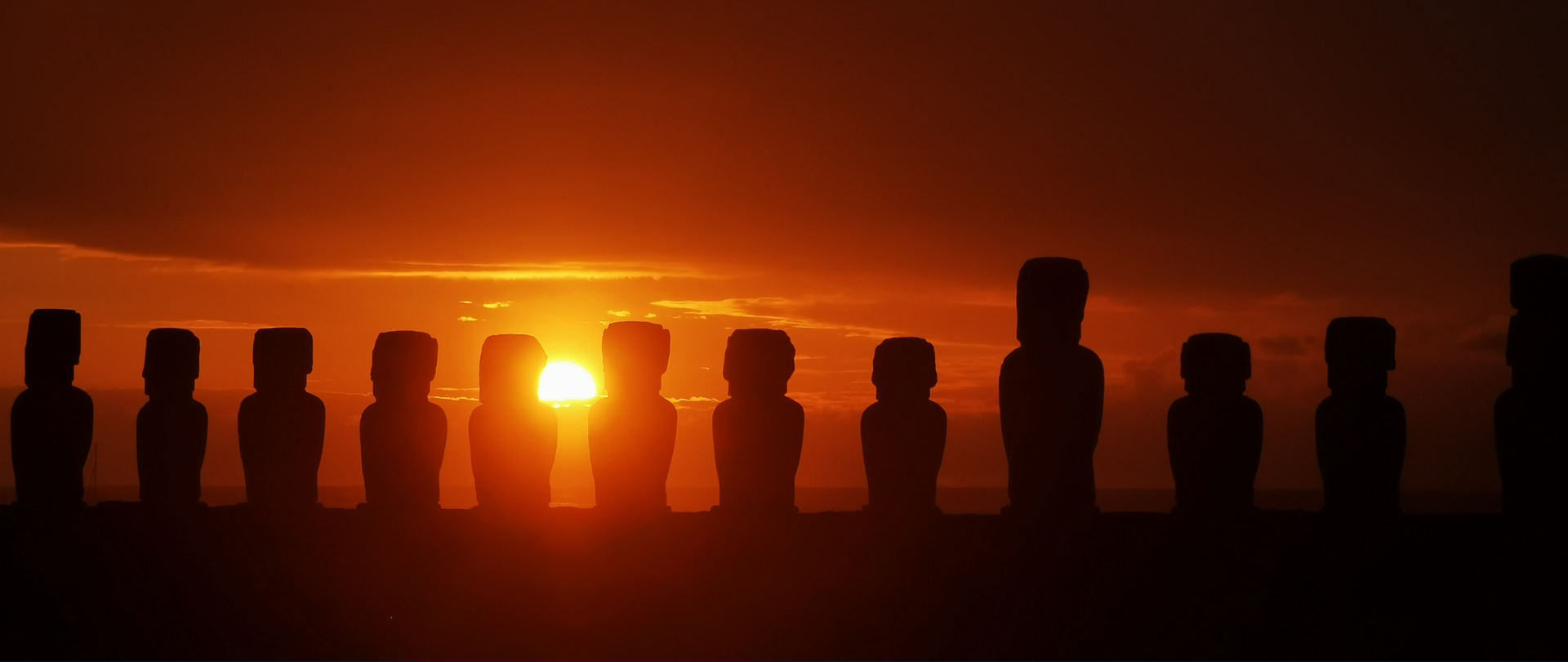
A new scientific paper is changing the way we understand Rapa Nui (Easter Island)'s ecological history!
November 21, 2025
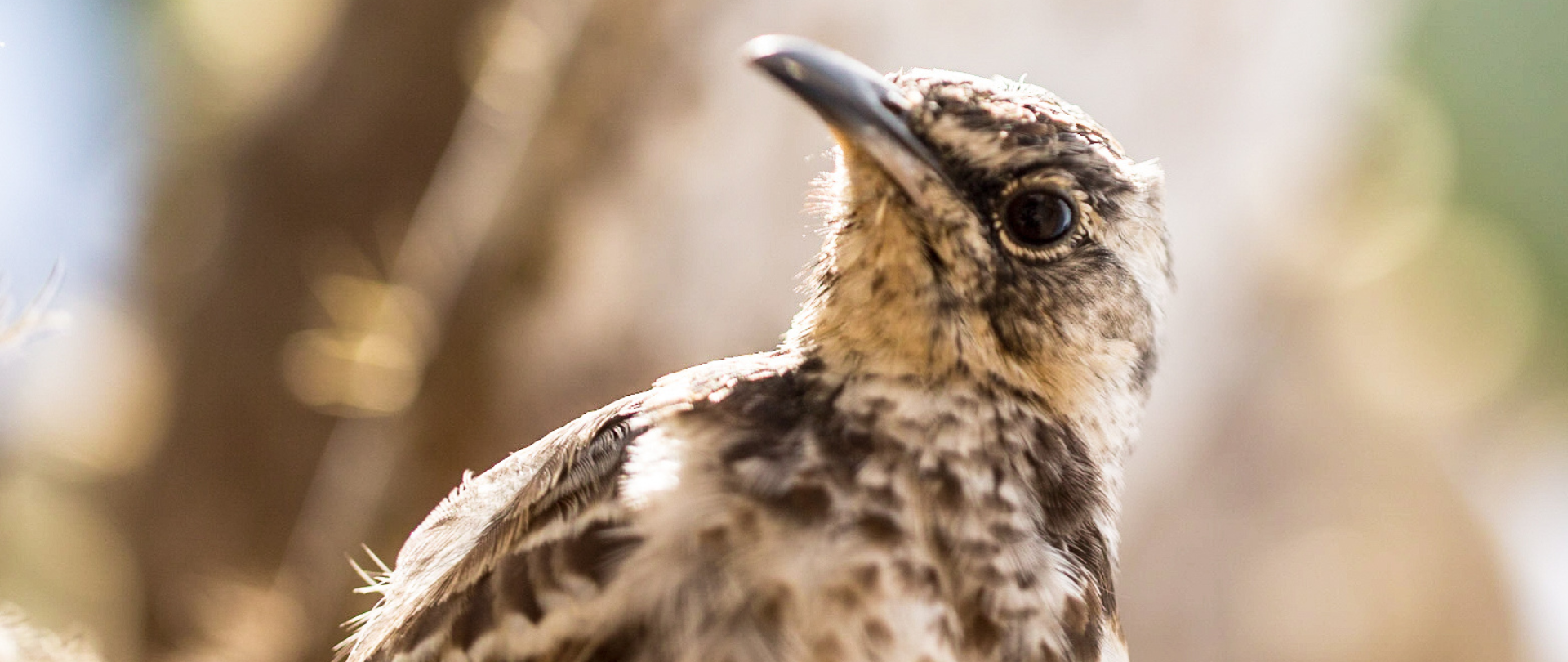
Holistic restoration is at work on Floreana Island, where the largest conservation project in the history of the Galápagos is underway!
October 30, 2025
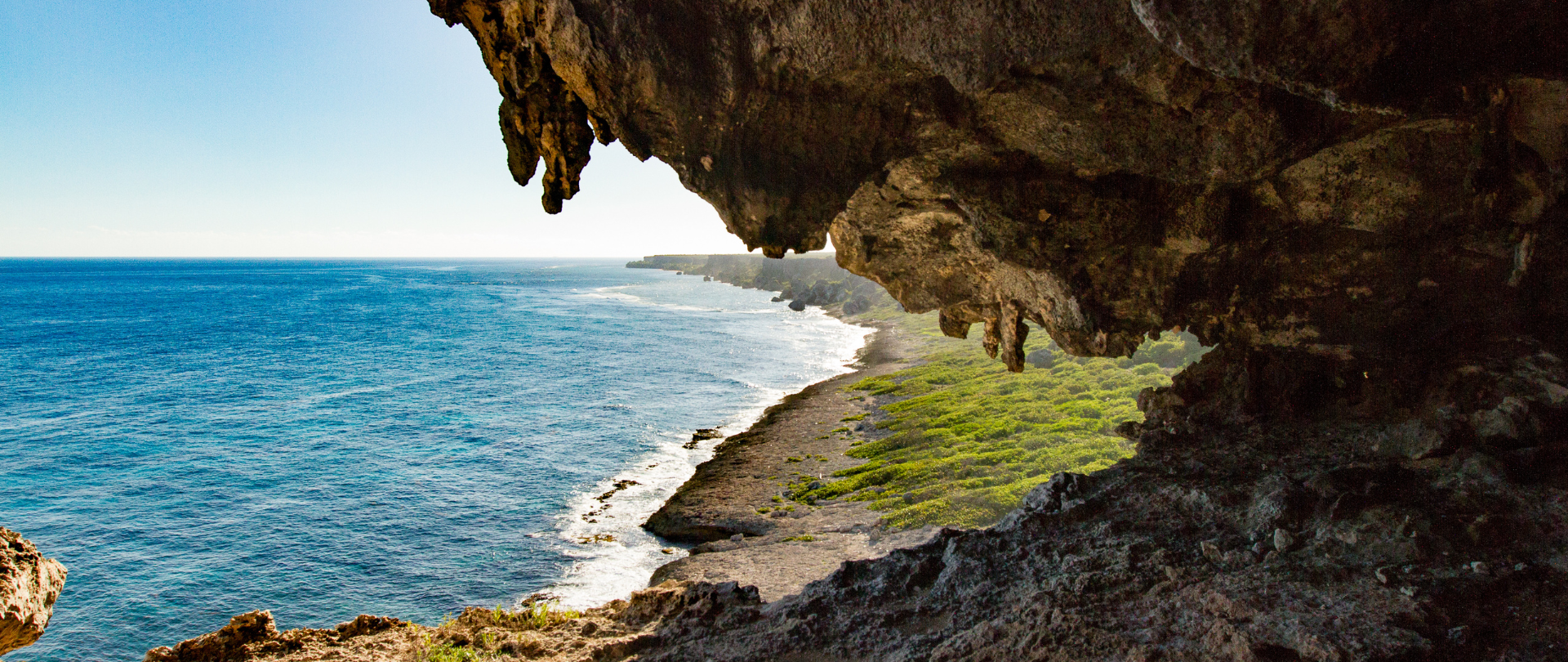
Our proposal for a United Nations-sanctioned Decade of Island Resilience spotlights the power of global small islands!

October 29, 2025
Astounding evidence of recovery on Ulong Island in Palau after just one year!
October 26, 2025
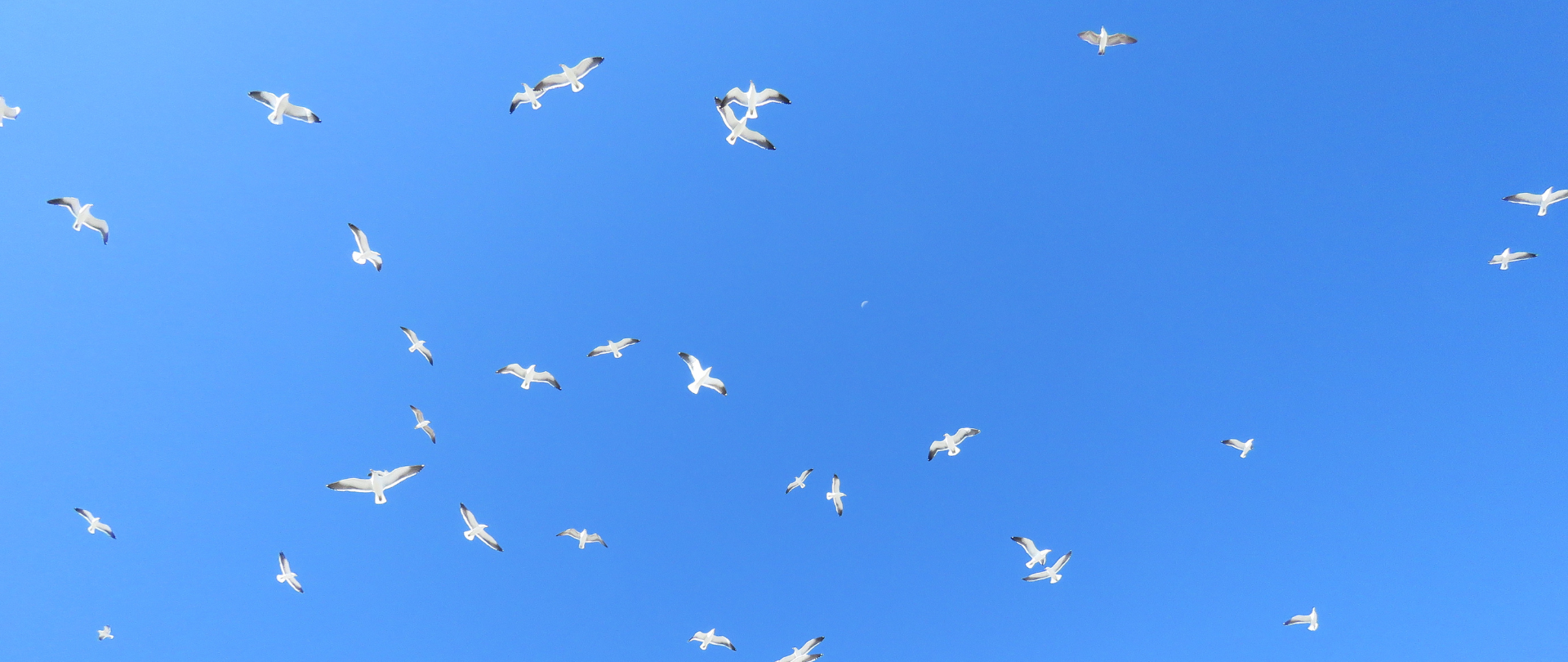
A new study shows the power of seabirds to drive entire ecosystems by circulating nutrients between land and sea!
September 30, 2025
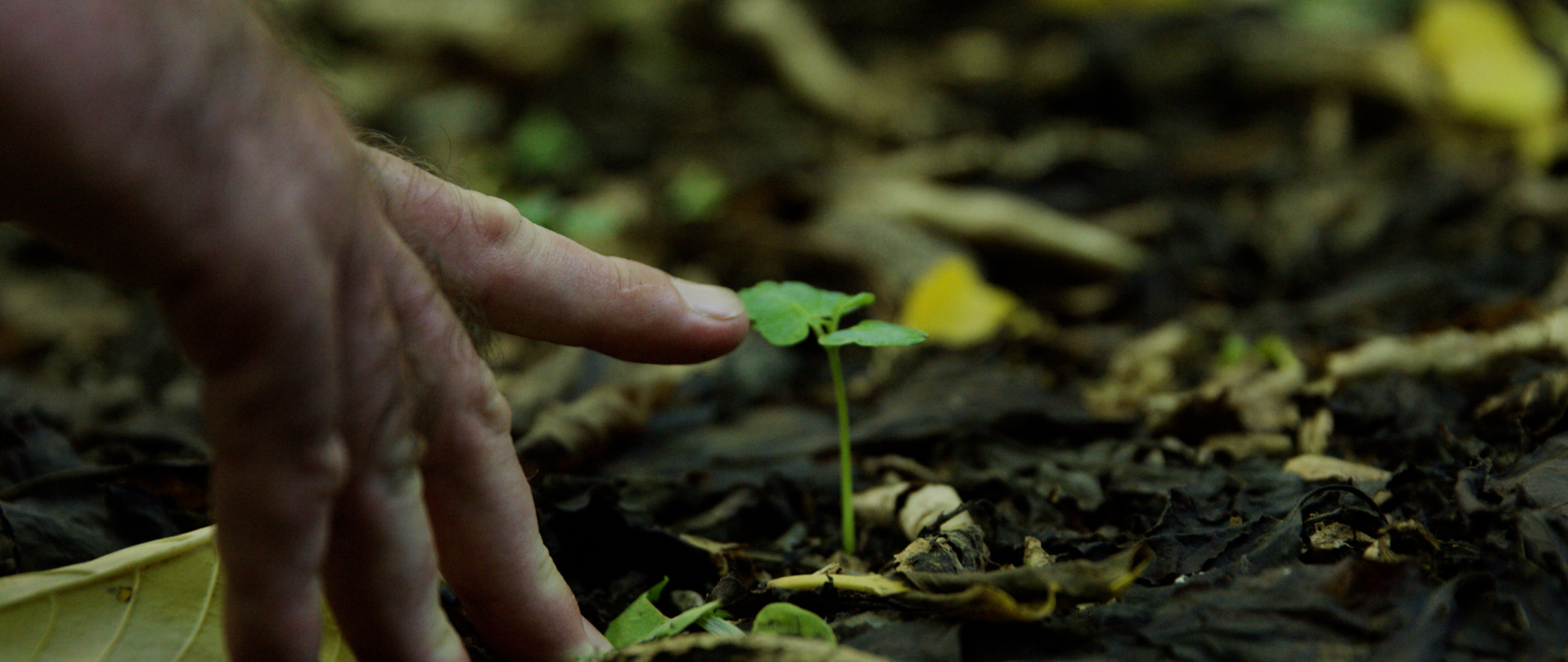
Astonishing results from our work to restore sites in the Republic of the Marshall Islands, boosting climate resilience and ocean health!
September 12, 2025
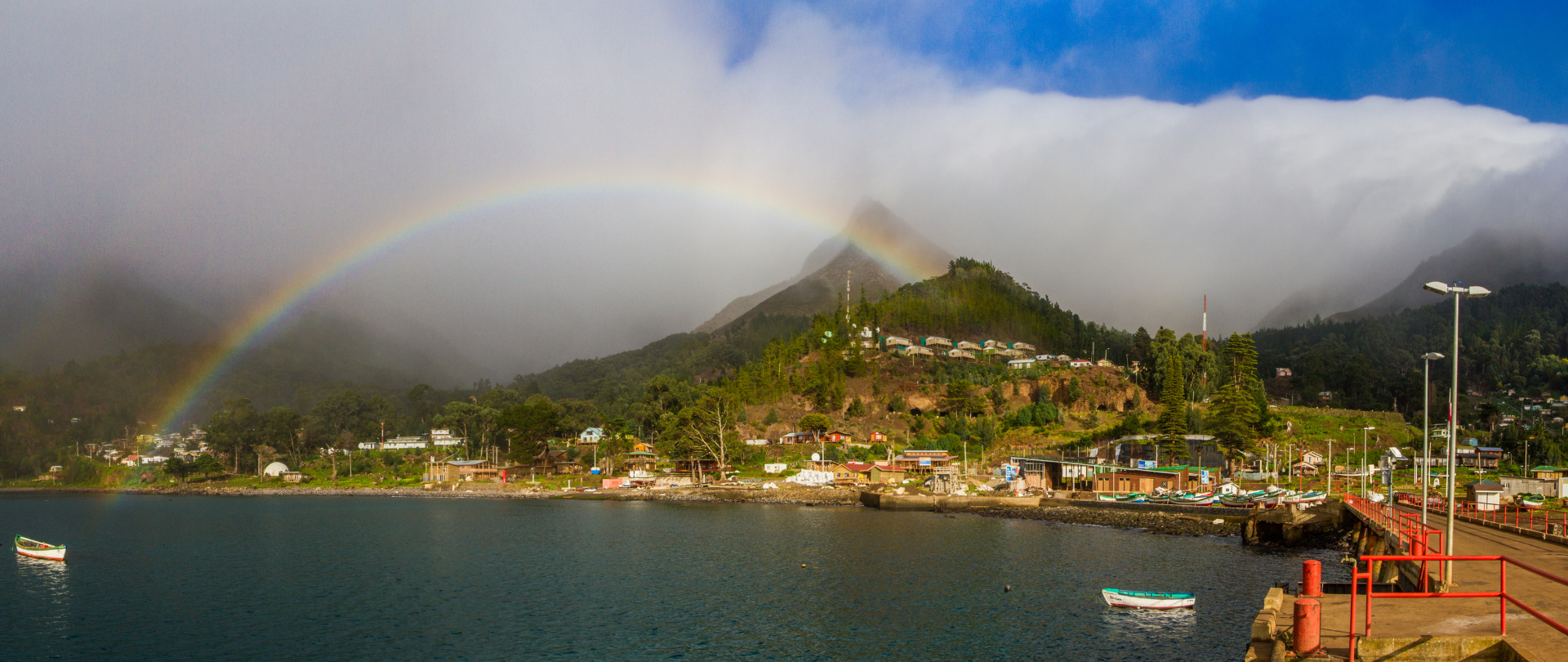
How can you make the maximum impact on the planet with your donation? Some conservation actions are most cost-effective than others!
September 4, 2025
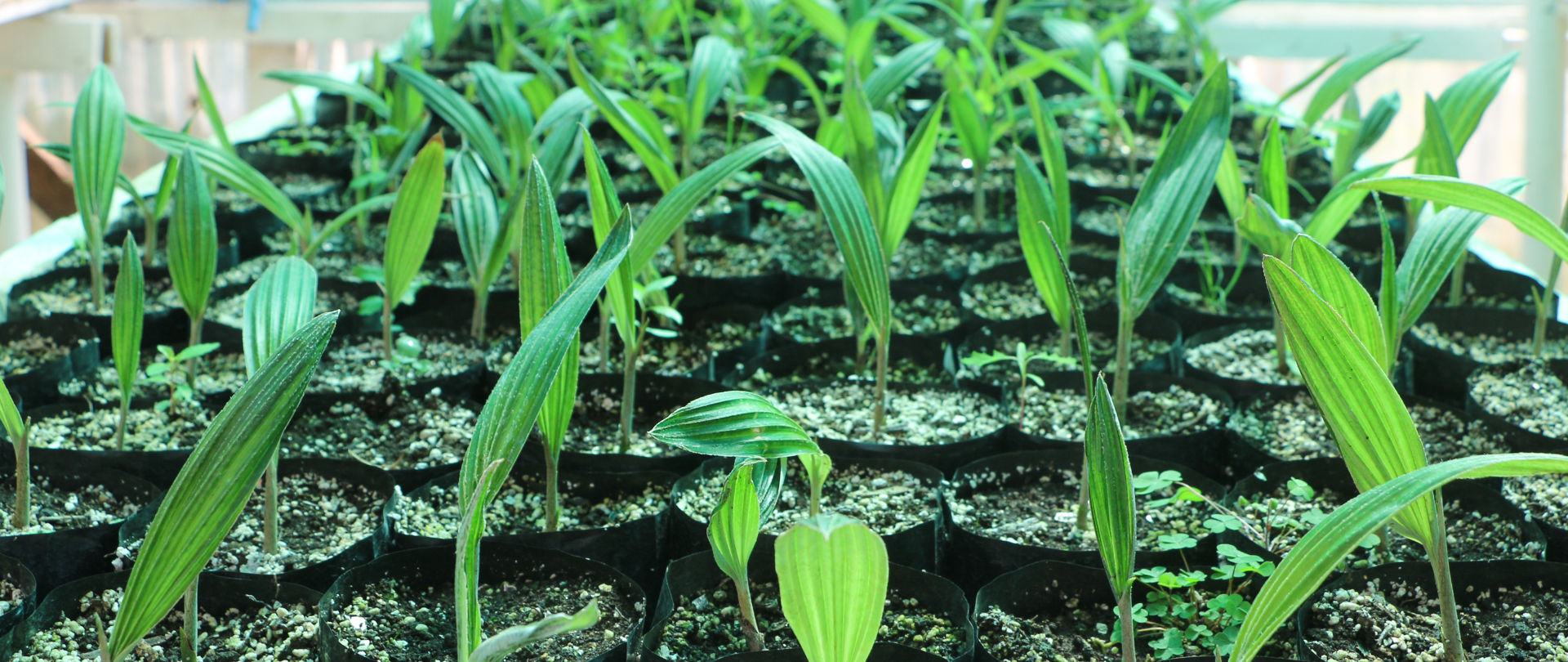
Incredible collaboration and success in the Juan Fernández Archipelago, with thousands of threatened trees benefiting from bold conservation action!