October 29, 2025
Data Shows Endangered Palau Ground Doves Swiftly Recovering After Successful Palauan Island Conservation Effort
Astounding evidence of recovery on Ulong Island in Palau after just one year!
 Island Conservation
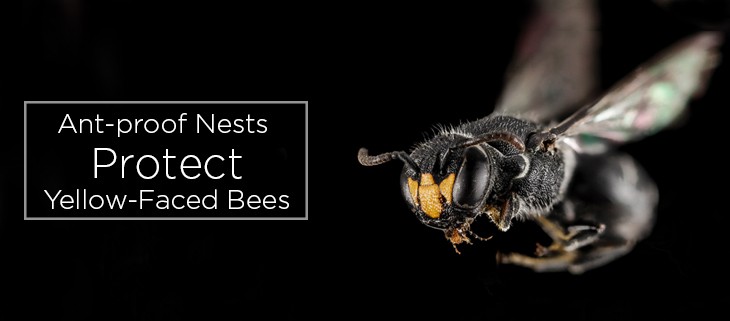
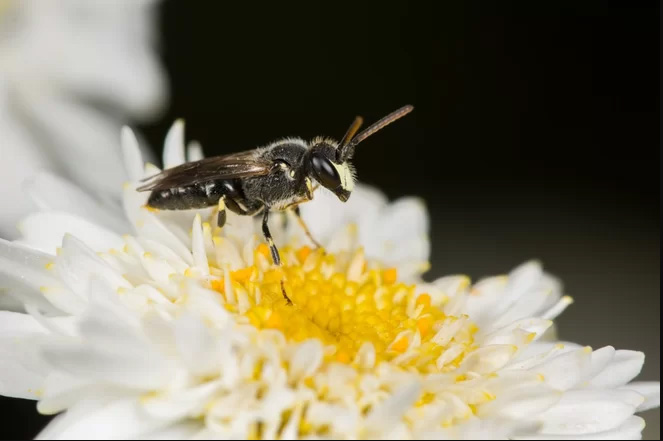
In 2016, seven of Hawaii’s sixty species of Yellow-faced Bees (genus Hylaeus) were added to the Endangered Species List. The bees are primary pollinators of the abundant Hawaiian Naupaka shrub. The decreasing population can most likely be attributed to nest disruption from invasive ants.
Little is known about the mating rituals of the Yellow-faced Bees of Hawaii. Jason Graham, an entomologist at the University of Hawaii, is currently researching a particular Hawaiian Yellow-faced Bee species, H. anthracinus. Graham has combined efforts with the U.S. Fish and Wildlife Service Pacific Islands Coastal Program Coordinator Sheldon Plentovich, to observe the reproductive habits of the bees. Plentovich commented:
There’s virtually nothing known about the mating behaviors of yellow-faced bees.
A typical Yellow-faced Bee rendezvous may look something like this:
A stationary female is swarmed by a cloud of male bees, each eagerly soliciting approval by poking the female. Eventually one male suitor will begin tapping his antennae with the female’s antennae, after which the pair intimately engage. This exchange can last anywhere from 5 seconds to 20 minutes. The function of the bees’ unusual behavior remains unclear.
The invasive Little Fire Ants have extended their painful bites onto locals and wildlife alike across the Hawaiian Islands. Their presence in Hawaii has become especially detrimental for the Yellow-faced Bees. In addition to biting the bees, they rummage through their nesting sites, destroying the eggs. Unlike other species, a female Yellow-Faced Bee will only deposit one egg in their nest. Although this mechanism is energetically effective for the female, it makes the species incredibly susceptible to population decline. Graham noted:
That is one of the reasons why solitary bees tend to be more threatened than social bees, which lay tons of eggs.
Between the physical strain from the ants, and the reproductive rate of the bees, the endangered status of Yellow-faced Bees is not surprising.

Graham and Plentovich utilized their observations to administer effective conservation. Graham has developed artificial nests covered in a sticky material that prevent fire ants from interfering with the eggs. These nests have proven effective, and female Yellow-faced Bees have been successfully inhabiting them throughout Hawaii.
Featured photo: Credit: Hylaeus. USGS Bee inventory
Source: Live Science
Check out other journal entries we think you might be interested in.

October 29, 2025
Astounding evidence of recovery on Ulong Island in Palau after just one year!
June 13, 2025
Our partner Conservation X Labs has joined the IOCC, committing to deploying transformative technology to protect island ecosystems!
May 19, 2025
Read our position paper on The 3rd United Nations Ocean Conference (UNOC 3) to see why we're attending and what we aim to accomplish!
December 4, 2024
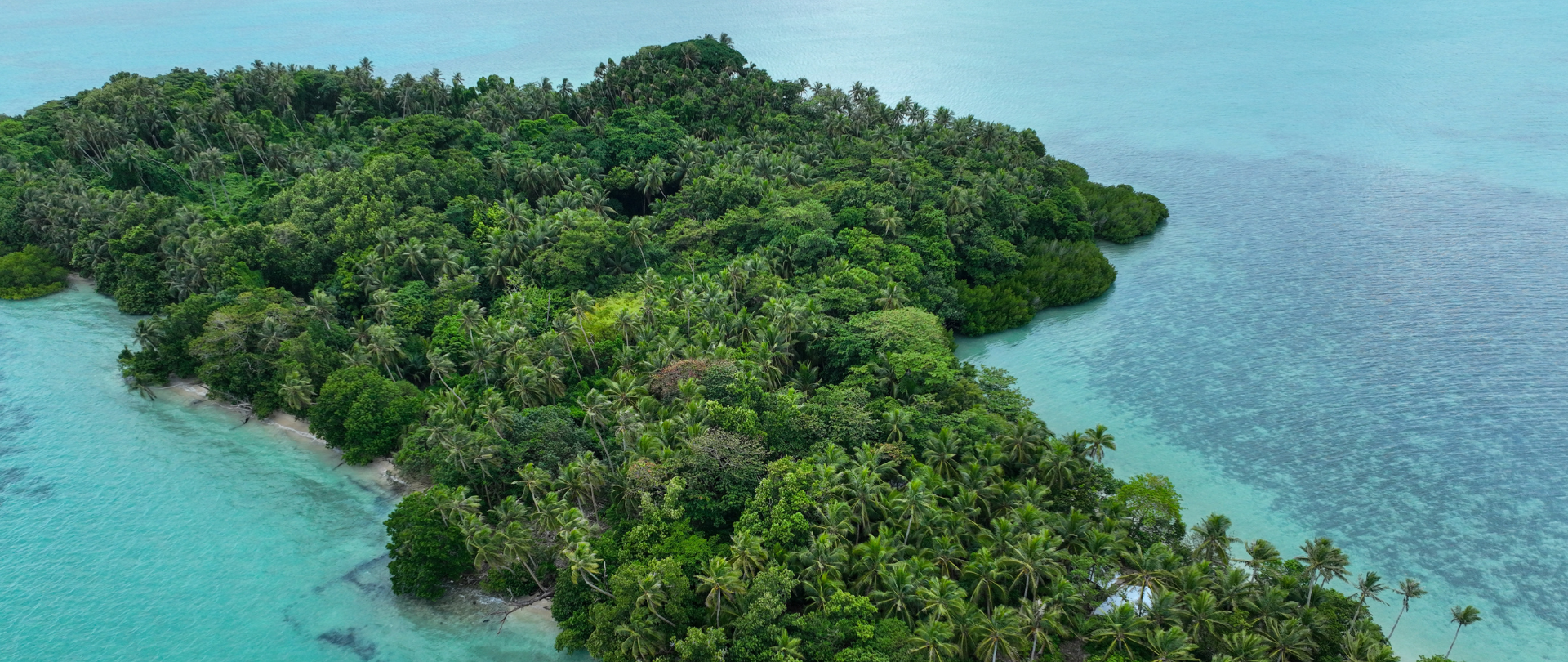
Ann Singeo, founder of our partner organization the Ebiil Society, shares her vision for a thriving Palau and a flourishing world of indigenous science!
November 22, 2024
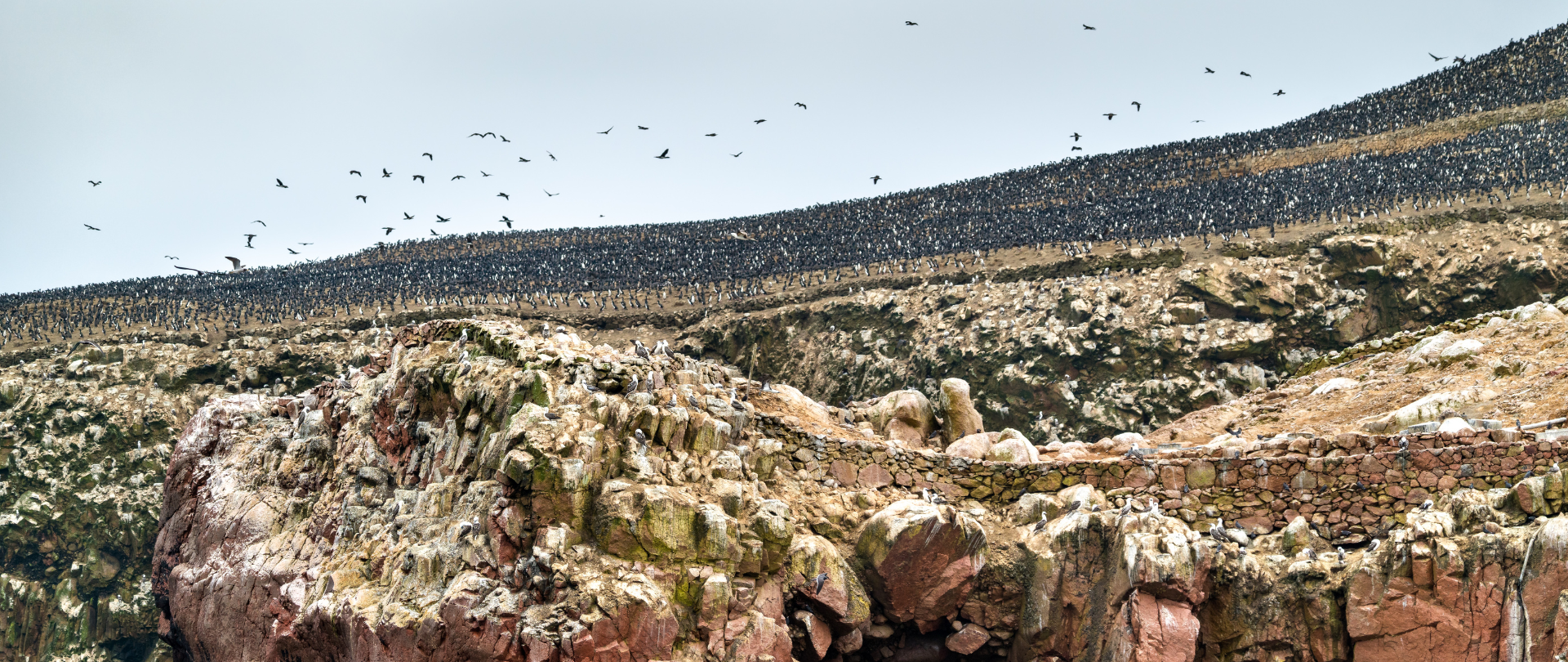
This historic agreement aims to protect the marine and coastal areas of the Southeast Pacific.
November 18, 2024
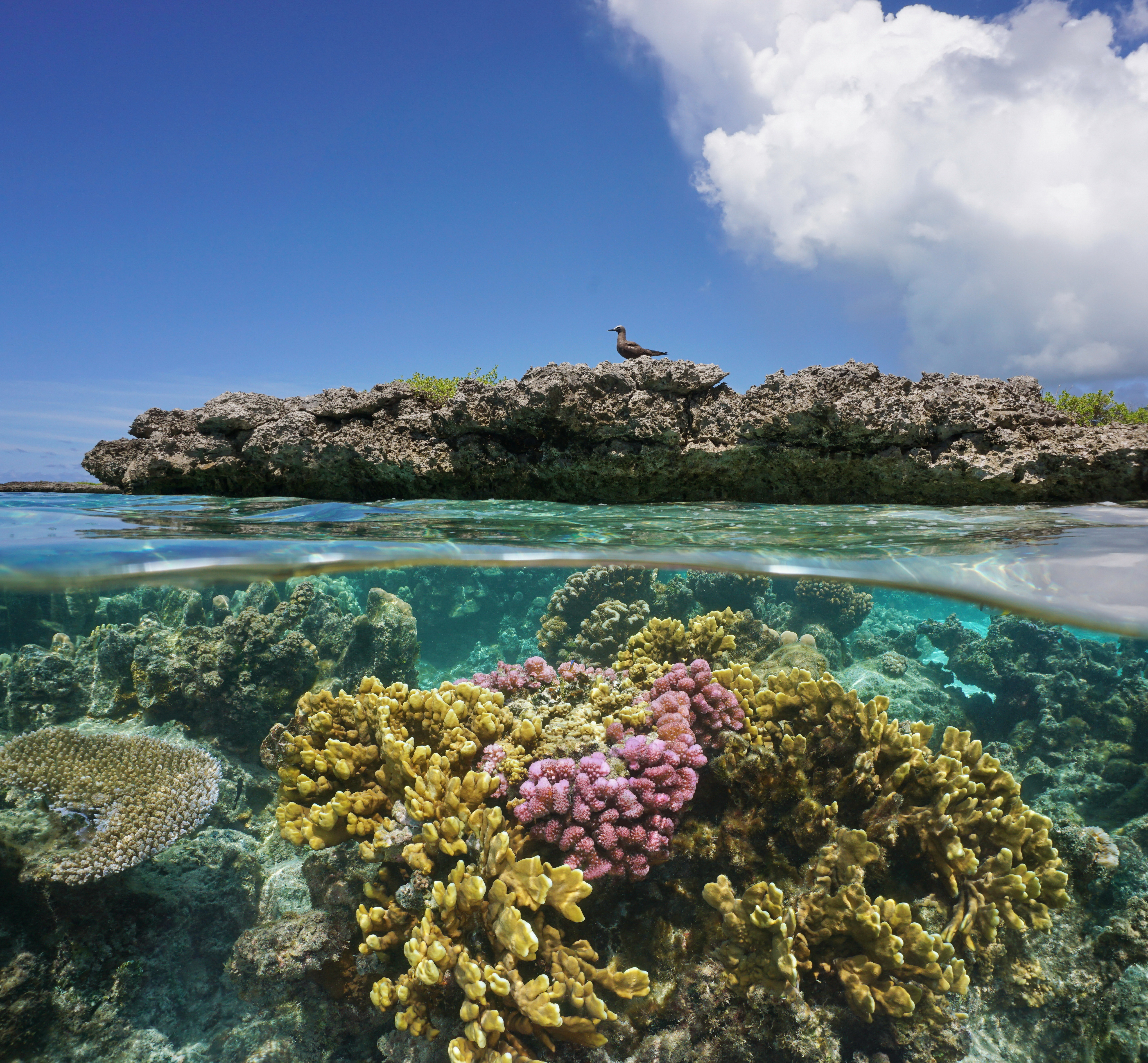
Our projects to restore key islets in Nukufetau Atoll forecast climate resilience and community benefits in Tuvalu!
October 3, 2024
Island Conservation and partners have published a new paper quantifying ecosystem resilience on restored islands!
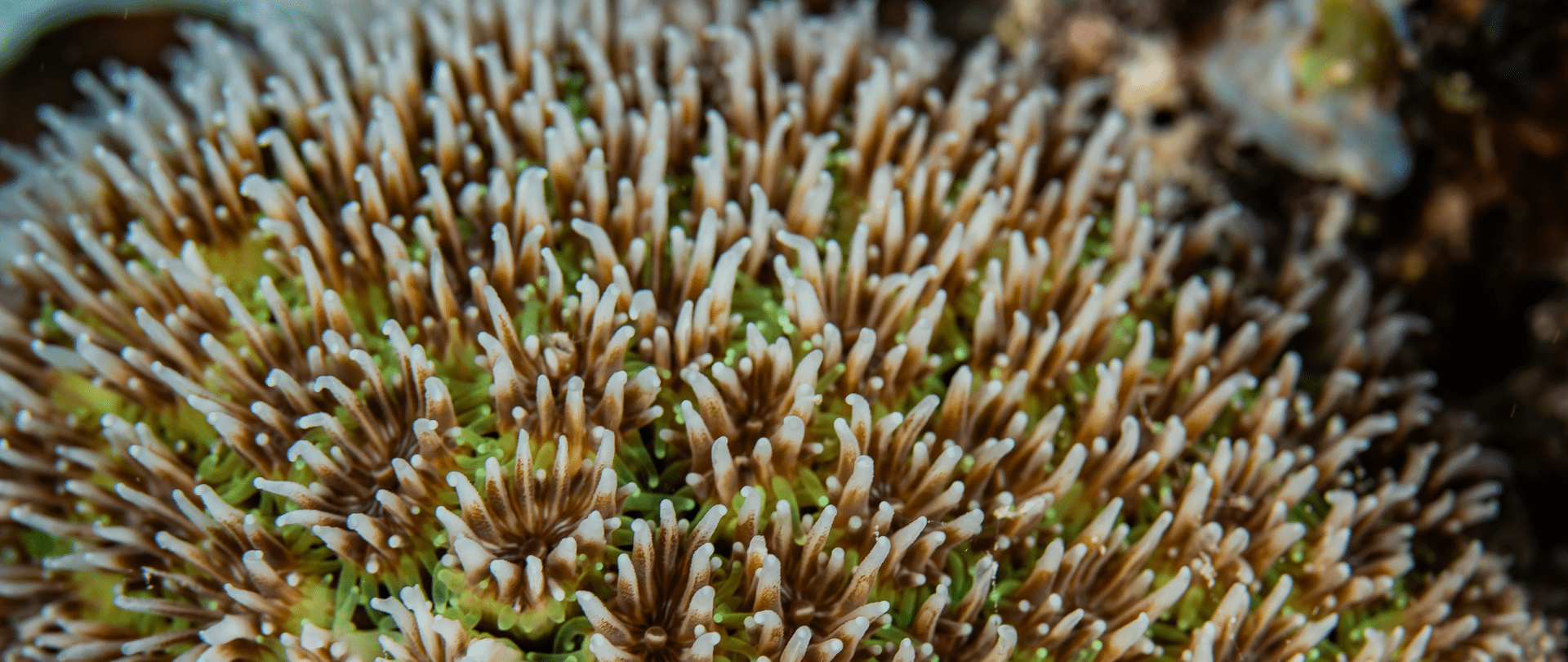
September 10, 2024
Climate Week NYC: what is it and why is it important? Read on to find out why Island Conservation is attending this amazing event!
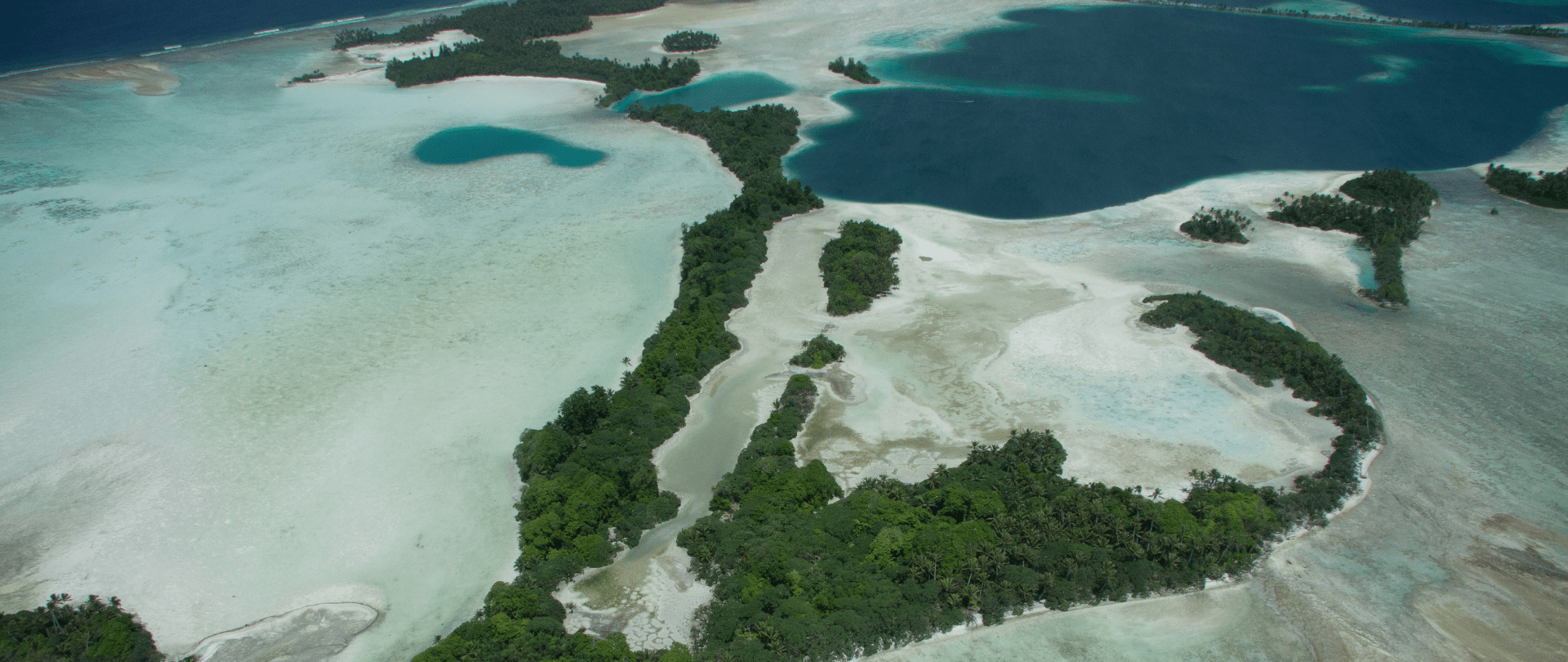
September 5, 2024
With sea levels on the rise, how are the coastlines of islands transforming? Read on to find out how dynamic islands really are!

December 14, 2023
Join us in celebrating the most amazing sights from around the world by checking out these fantastic conservation photos!